01
MHM Awareness Workshops
Conducting school-based sessions to educate girls and mothers on menstrual health and hygiene.
Menstrual Hygiene Management (MHM) remains a neglected aspect of public health, particularly in rural and marginalised communities. The taboo surrounding menstruation leads to a lack of awareness, unsafe practices, school absenteeism, and severe health issues among adolescent girls.
Ladli Foundation's initiative aims to empower adolescent girls with knowledge, resources, and a supportive environment to manage menstruation with dignity and confidence.
The barriers adolescent girls face every month — barriers we are working to dismantle.
Menstruation is often treated as a shameful secret, limiting open discussion and education.
Many girls are unaware of menstrual hygiene practices and the biological basis of menstruation.
Economic constraints and unavailability of sanitary products lead to the use of unhygienic alternatives.
Girls often miss school during periods due to embarrassment, lack of sanitation facilities, and pain.
Infections, UTIs, and reproductive tract disorders are common due to poor hygiene practices.
Every contribution directly supports four interconnected programmes on the ground.
Conducting school-based sessions to educate girls and mothers on menstrual health and hygiene.
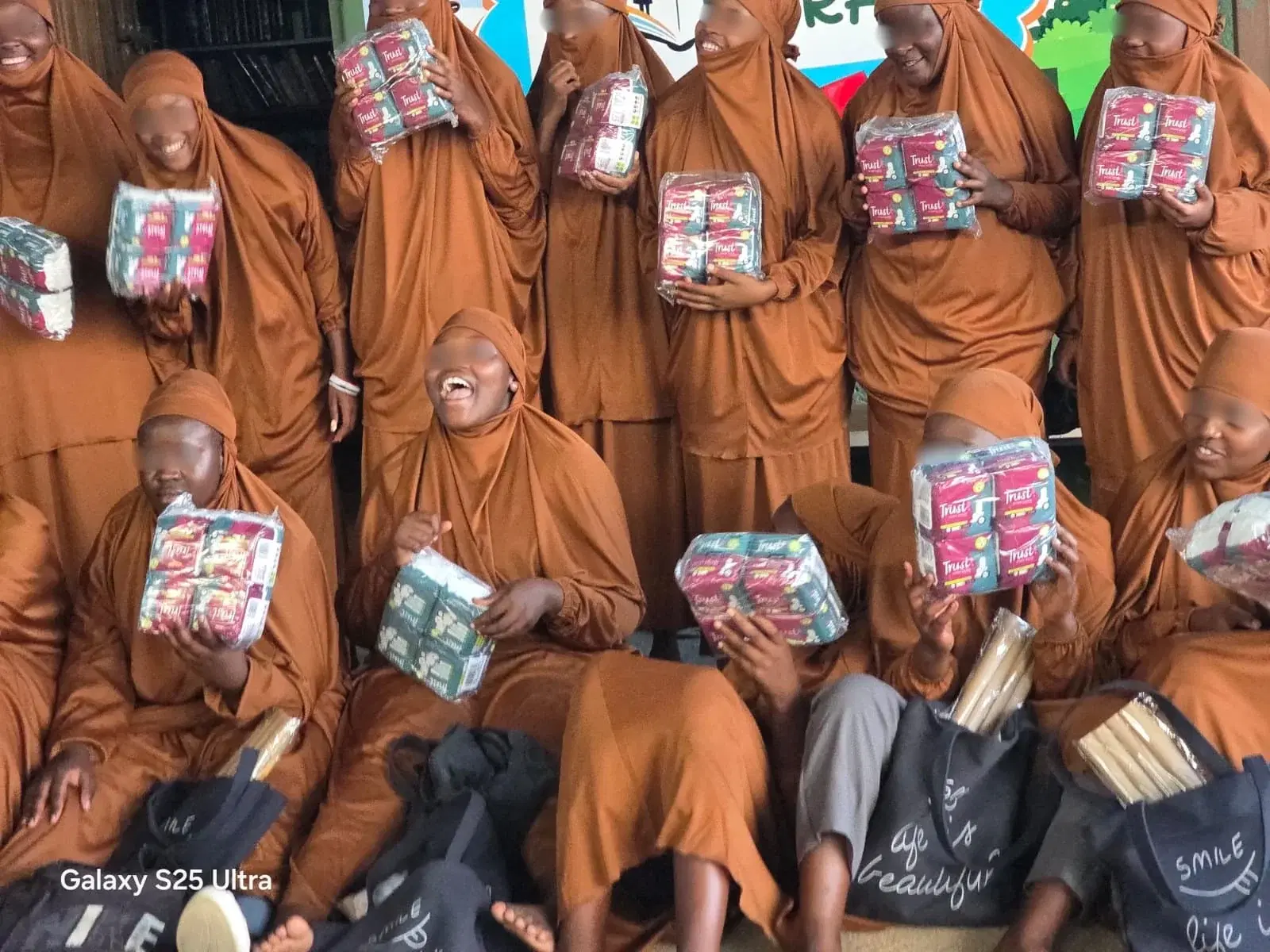
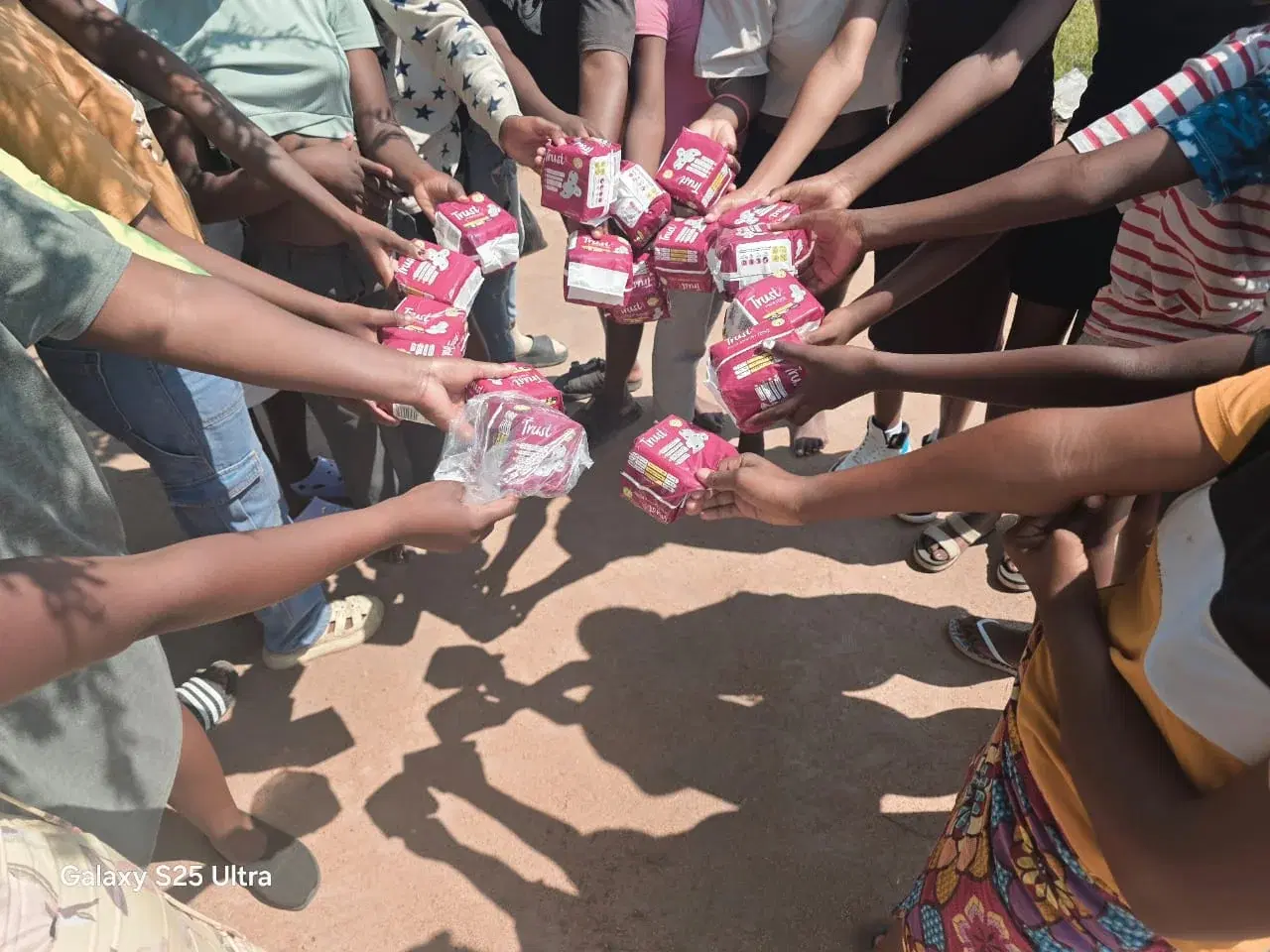
Providing eco-friendly, reusable sanitary pads and hygiene kits to adolescent girls.
Safe, girl-friendly spaces in schools where sanitary pads, pain relief, and counseling support are available.
Installing menstrual waste disposal units and sensitising teachers on supporting menstruating students.
Ladli Foundation, in collaboration with Alfeco Foundation, is currently implementing the Menstrual Health Management (MHM) Initiative across 18 schools in Durban and Johannesburg, South Africa. The programme focuses on reaching adolescent girls in school communities where menstrual health awareness, access to hygiene resources, and open conversations around menstruation remain limited.
The initiative is designed to create safe, inclusive, and supportive learning environments that promote dignity, confidence, and overall well-being among girls.
The initiative adopts a holistic and community-focused approach to menstrual health management by addressing awareness, education, stigma, and access to care simultaneously.
Interactive and age-appropriate sessions are conducted in schools to help girls understand menstruation, menstrual hygiene, reproductive health, and self-care practices. These sessions encourage open discussions and help dispel myths and misconceptions about menstruation.
The programme creates safe and judgment-free spaces where girls can openly ask questions, share concerns, and build confidence regarding their physical and emotional health.
By normalising conversations around menstruation, the initiative aims to reduce shame and stigma while promoting dignity, self-esteem, and school participation among adolescent girls.
The programme also supports girls through access to essential menstrual hygiene resources and guidance on maintaining proper hygiene practices for better health and well-being.
Through sensitisation and awareness efforts, the initiative works towards fostering supportive school communities where menstrual health is treated as a natural and important aspect of adolescent health.
Ladli Foundation is a two-time National Award-winning grassroots organisation recognised by the Government of India, holding Special Consultative Status with the United Nations ECOSOC. The Foundation has also been acknowledged by UN Secretary-General António Guterres during the 65th Session of the Commission on the Status of Women and is registered with the NSE Social Stock Exchange.
Built on years of consistent fieldwork, Ladli Foundation is known for its ethical implementation, gender-inclusive approach, and deep-rooted community trust, making it a credible and impact-driven organisation committed to advancing dignity, equality and social transformation.
impacted through health, gender sensitisation, and education programmes.
in collaboration with police departments and public health authorities.
NITI Aayog, the Ministry of Health, and UN bodies for innovation and execution.
to engage boys and men in menstrual equity.